
The Fascination of Speed, Timing and Technical Flow
Speed alone never explains why certain athletic performances capture so much attention. It is the combination of acceleration, precise execution and an almost invisible rhythm that shapes the experience for spectators. Many who explore the world of horse based sports discover how closely speed and technical flow interact and how timing becomes the element that separates chaos from mastery. This article guides readers into the complexity behind these performances and shows how deeper understanding enhances both appreciation and excitement. Some eventually become curious about offers such as jumping horses for sale, yet the core fascination begins long before that point.
How Speed Creates Its Own Kind of Suspense
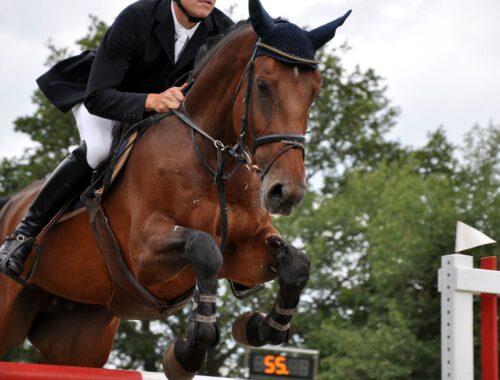
Speed influences how viewers perceive a performance because it creates a form of tension that grows naturally as the pace intensifies. The rhythm of hooves on the ground sets a beat that spectators follow instinctively and this presence of motion becomes the entry point into the entire spectacle. Skilled riders learn to maintain the fine line between necessary momentum and controlled restraint, since every stride shapes the upcoming sequence. The power of acceleration draws attention immediately, although it becomes truly captivating only when the athlete keeps the movement smooth despite rising pressure. Viewers sense how both horse and rider act within fractions of a second, and this awareness makes the entire situation feel unpredictable yet purposeful.
The Role of Timing in High Precision Moments
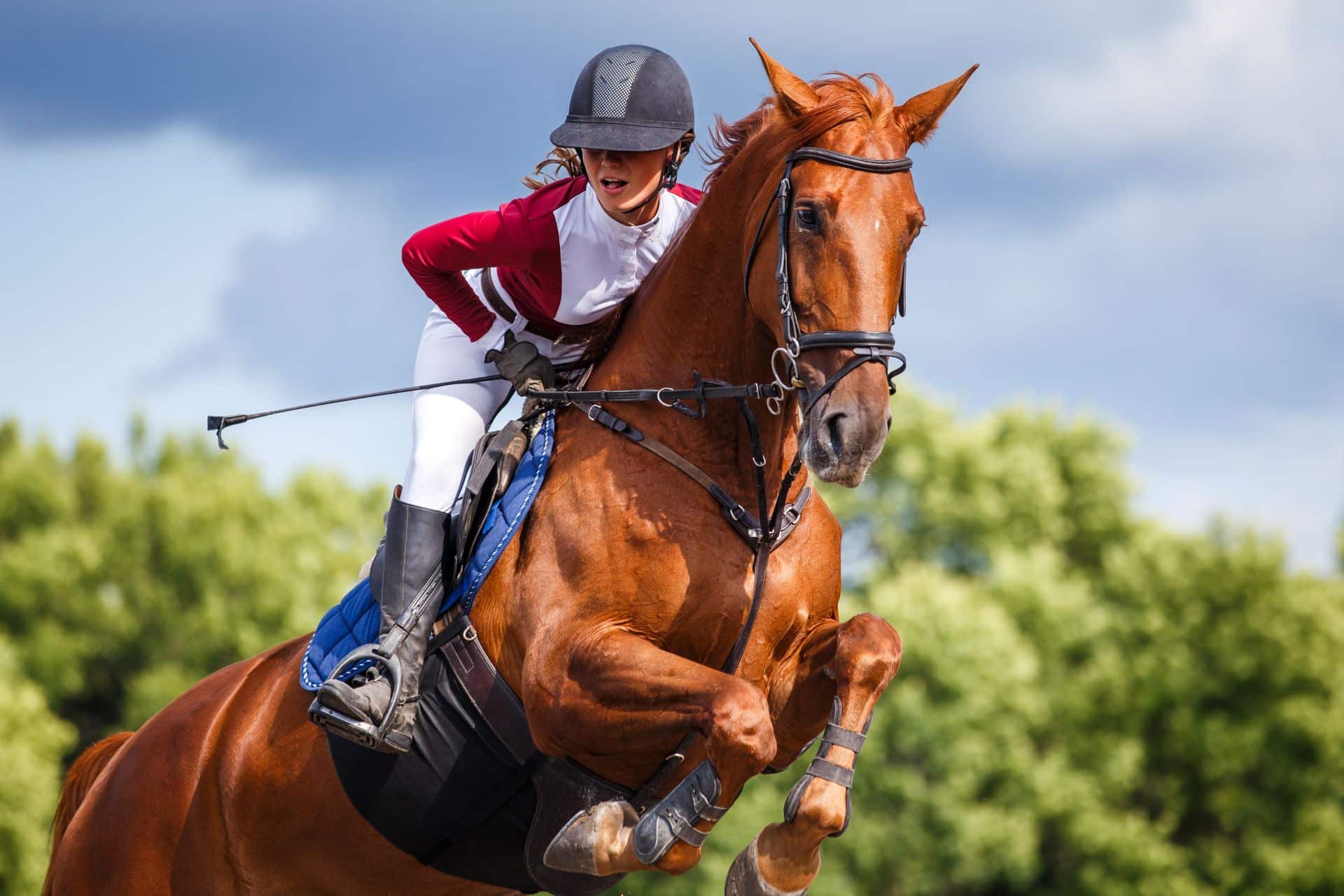
Timing decides whether a movement feels fluid or disrupted, and spectators quickly notice how small differences create significant contrasts. Well trained athletes rely on countless hours of practice to coordinate their cues with the natural rhythm of the horse. When this communication aligns perfectly, the result appears effortless even though the demands are extraordinarily high. Observers begin to recognise that timing does not only refer to the moment of action but also to the preparation that surrounds it. They learn to watch for transitions, shifts in weight and the subtle adjustments that keep the sequence intact. These minor elements give viewers a deeper connection to the performance and raise appreciation for the underlying skill.
Technical Flow at a Glance
| Aspect | What Spectators Notice |
|---|---|
| Rhythm | How steady movement keeps the performance coherent and easy to follow |
| Responsiveness | The way the horse reacts to light cues that guide the next step |
| Balance | How evenly weight is distributed during turns and transitions |
| Cadence | The clarity of movement that develops when tempo and technique align |
This structured comparison helps viewers understand why technical flow feels so satisfying and why it adds a refined quality to even the most high speed situations.
How Different Disciplines Interpret Speed and Flow
Each equestrian discipline interprets speed and technical flow differently. Racing highlights rapid acceleration and strategic positioning, which creates an atmosphere driven by anticipation and rapid decision making. Dressage focuses on measured rhythm and precision, which encourages spectators to watch the details that shape each transition. In faster technical events, flow becomes a constant negotiation between power and direction, and the viewer gradually learns to read the coordination that makes the movements appear controlled. People who follow these disciplines over time discover how essential fairness, balance and clarity of signals become for the performance. Some eventually explore practical aspects of the sport such as jumping horses for sale, although interest in the craft itself usually comes first.
Key Points for Spectators Who Want to Understand Flow
• Focus on how the rider maintains a consistent tempo and watch how small shifts in posture influence the horse’s rhythm.
• Observe how the horse reacts to transitions because these moments reveal the clarity of communication.
• Pay attention to the regularity of movement and how little disruptions alter the overall impression.
• Listen to the sound pattern of hooves since it often indicates whether balance and cadence remain stable.
• Watch for the ease with which the horse enters and leaves specific sections of the performance.
These observations help newcomers understand the performance more deeply and build a foundation for long term enjoyment.
How Technical Mastery Builds Lasting Interest
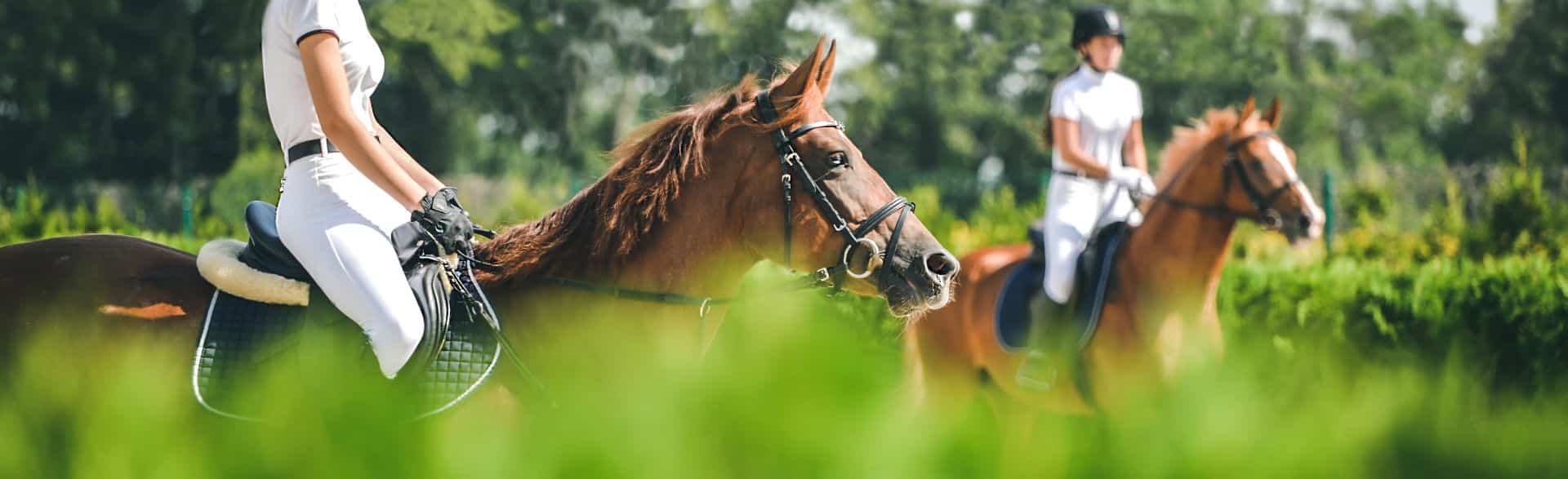
The more viewers focus on speed, timing and technical precision, the more they begin to appreciate the subtle artistry of the sport. Movements that once seemed simple reveal a complex pattern of decisions that unfold every second. Technical mastery creates its own form of beauty because it combines athletic ability with thoughtful communication. This intersection keeps spectators returning to events even when they know the basic structure of the sport. Many discover that interest expands as they learn to interpret how coordination, training and natural ability shape a performance. Some deepen their curiosity by researching jumping horses for sale, yet the true fascination remains rooted in the interplay of power, control and clarity.
What Beginners Should Focus on When Watching Fast, Technical Performances
Many newcomers enter the arena expecting pure speed, yet the real experience becomes far richer once they know where to direct their attention. The first helpful habit is to watch how rhythm develops long before the pace increases, because the early moments reveal whether horse and rider communicate with confidence. Viewers soon realise that calm beginnings often lead to the most controlled sequences and this understanding makes each performance easier to follow.
The next step is learning to observe transitions, since they indicate how well the athlete manages changes in tempo and direction. Smooth transitions create the foundation for flow and they show how clearly signals pass between rider and horse. Beginners who practice this kind of observation build an instinctive feel for quality, even without technical knowledge.
Another important detail is the horse’s posture during movement. A stable frame signals that the animal remains balanced and ready to respond, while sudden stiffness suggests uncertainty. Observers who focus on posture understand far more of the performance than those who watch speed alone. Some beginners eventually explore topics such as jumping horses for sale when they want to learn more about the types of horses involved, but the foundation of enjoyment always starts with basic observation.
Finally, newcomers should remember that watching the overall flow gives the clearest impression. When movements seem coordinated and steady, the performance becomes easy to read and more enjoyable. With every event, beginners sharpen their eye and soon recognise how timing, communication and athletic ability form the heart of fast, technical riding disciplines.
A Closing Thought on the Appeal of Motion
Speed draws attention, but timing and technical flow turn that attention into lasting engagement. Viewers who follow these elements closely experience a richer perspective that reveals the fine structure behind every movement. With each event they gather new insights and discover how the smallest details shape the overall impression. This refined awareness becomes the reason why spectators stay connected to the sport and continue exploring its many layers.
image source: skumer, taylon, peterzayda/Adobe Stock